Ridiculous Assumption: Tragic Consequences

How can one ridiculous assumption lead to millions of irrational decisions.  It happened!  It’s still happening!  I’m talking about a pandemic, specifically, the global response to a seriously infectious virus known as SARS-CoV-2.  It causes a disease called COVID-19 or CV19 for short.

Tragically, more than 300,000 of our friends and family members have died from this virus in our country and millions more around the world.  Uncounted numbers of others have died because of how we have responded to this pandemic.  The disease especially hits the elderly and people with other health challenges that compromise their immune systems.  Thanks to the remarkable efforts of brilliant scientists working with modern medical technologies not possible even a few years ago, we now have two vaccines approved in the U.S. and four more undergoing testing.  We also have therapeutic interventions that offer hope for most people who become ill with this virus.

For many months, I’ve been biting my proverbial lip, resisting the urge to write my opinions about the way most government leaders in our country and around the world choose to manage this crisis.  I did write about specific issues such as Closed Schools: Be Careful What You Wish For, Masks in a Sarcasm Free Zone, How Do We Decide About Schools?, and The Belt Order (S).  My wife, some family members,  and a few friends suffered my rants which focused on consequences far beyond the closing of schools and the mandating of masks.

Finally, a few days after November 20, 2020, nine months after the global pandemic was declared, there was some sanity and some clarity.  In my email that morning was a link to an article published in Nature Communications describing a study of ten million residents of Wuhan, China who were screened for the virus after an excessive government controlled lockdown.  Almost two dozen scientists contributed to the research.  I downloaded it and saved it on my iPad for careful reading.
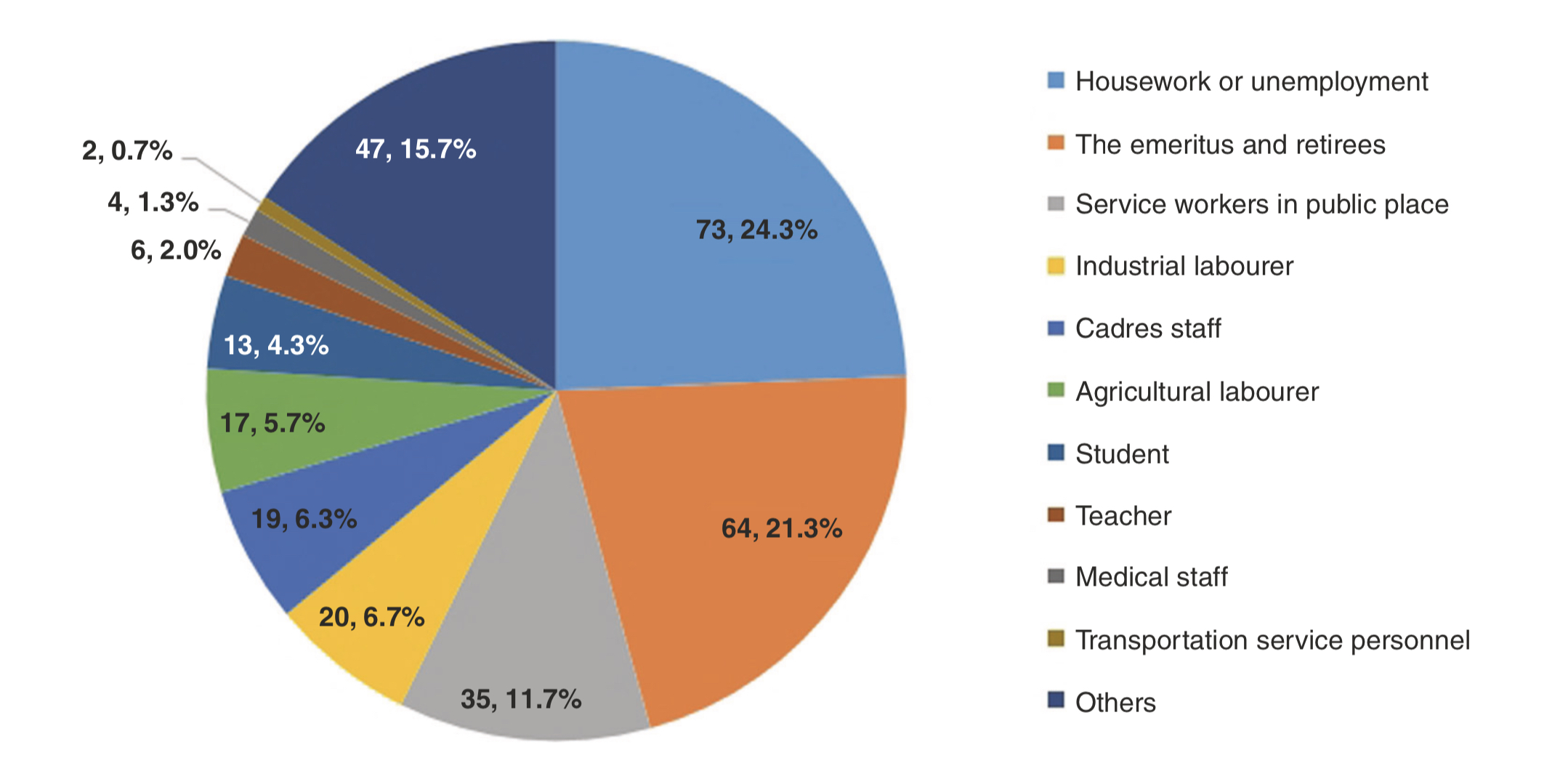
The Occupation Distribution of Asymptomatic Positive Cases in Wuhan, China from Post-lockdown SARS-CoV-2 nucleic acid screening in nearly ten million residents, Shiyi Cao, et al, Nature Communications, 20 November, 2020. 

One sentence in the research abstract grabbed my attention.

“There were no positive tests amongst 1,174 close contacts of asymptomatic cases.”

Let that sink in.  Not one person who was in contact with someone who tested positive but was not ill, ever caught the virus.  None!  Zero!  There was no asymptomatic spread detected in Wuhan.  If you weren’t sick, you did not spread the virus.

This should not surprise anyone who carefully considers how a virus, specifically how this virus, is spread.  People who are sick have elevated temperatures and they sneeze, cough, talk, breath, and touch, among other indiscretions.  They shed virus particles into the air and onto surfaces as well as the objects they contact.  Asymptomatic people are not sick and do not shed significant numbers of viruses into the environment.

Catching the disease comes down to two factors: viral load and susceptibility.  A person will become sick: 1) if a sufficient number of viruses enter their bodies, and 2) if their immune response is insufficient to prevent the virus from replicating and causing the illness.  Being around people who are healthy is not risky because they do not shed viruses in sufficient quantities to spread the disease.  This is true even if the person tests positive for the virus as demonstrated by this research.  Our testing thresholds are extremely sensitive which means that people can test positive, the virus is detected, while never becoming sick.  There are millions of people in the U.S. who have tested positive without becoming ill.

Jeffrey A. Tucker of the American Institute of Economic Research (AIER) published an article on November 22, 2020, Asymptomatic Spread Revisited – AIER, in which he addressed the absurd measures and restrictions taken for no good reasons because we assumed that asymptomatic spread was a thing.  It’s not a thing and most scientists understood this before the hysteria of COVID-19 overwhelmed us.  He quotes Dr. Maria Van Kerkhove of the World Health Organization back in June 2020, saying

“From the data we have, it still seems to be rare that an asymptomatic person actually transmits onward to a secondary individual.  It’s very rare.”  

The Wuhan study demonstrated it is not only rare, it does not happen at all.

Early in this crisis, government leaders were rightly concerned that a serious pandemic could overwhelm our hospitals and other health care facilities.  That happened in Italy.  It was already happening in some places in the U.S. like New York City.  They came up with a plan to shut down our country.  The lockdown was sold to us as “two weeks to flatten the curve.”  Historically, sick people were quarantined during epidemics to keep them from infecting healthy people who could go on with their normal lives.  This curve flattening strategy was an attempt to quarantine healthy people in order to delay the spread.  Lockdowns such as this don’t prevent illnesses from spreading, they delay the inevitable.  This was a purposeful effort to reduce the stress on our healthcare system, but there were other consequences.  Some argued the cure was worse than the disease.  I was one of those.  Many, including medical practitioners, have since joined the chorus.

Somehow, an assumption of asymptomatic spread took hold in the minds of governors and other officials who argued for continued lockdowns and isolation of healthy people in order to manage the course of the pandemic.  Schools were closed even when it was apparent that children and young adults were not susceptible to serious illness from this virus.  In fact, far more children die from seasonal influenza than from CV19.  Healthy working-aged individuals have a 99.995 percent chance of surviving if they become ill with this virus.  A majority of healthy adults who test positive don’t become ill.

Once the “curve flattening” ended, we should have opened up our schools and our economy.  I would argue that we never should have locked down in the first place, even for the two weeks, but that’s hindsight talking.  Instead, we should have protected the vulnerable people who suffered from so-called comorbidities and the elderly with compromised immune systems.  Everyone else could have gone to work, resumed their education, enjoyed entertainment and sports, gone out for dinner and theater, and just continued living their normal routines.  Anyone who became ill should have been isolated from others to limit the spread of the virus.  It still would have spread among the healthy population, just like colds and flu do every year.

The only people who should wear masks are physicians and health care professionals as well as the people who have the disease and for some reason must be around other people.  Cloth masks provide no protection and research has never shown any reason for healthy, asymptomatic people, to ever wear a mask, cloth, surgical, or N95, period!

We started with a bad assumption about the spread of this virus from people who are not sick.  Many bad decisions followed.  The consequences are far more devastating than the pandemic.
Posted in health, Human Behavior, Politics | Tagged , , , , , , , , , | Leave a comment

Finding Explanations in the Game of Life

Those who know me understand my passion, perhaps a pathology, for sports and particularly for my teams.  One of the many reasons I love my wife derives from her tolerance for this among many peccadillos.  Sporting events, and entire seasons, can be allegorical of larger life issues and the human condition.  We are not a highly evolved species, but we continue to evolve.  The game and all that surrounds it, illustrates this almost perfectly.

Last night, a young college football player made a mistake that rather obviously cost his team, and all of the fans of his team, the satisfaction of an important win.  Instead, the other team celebrated their hard earned victory.  After the game, the internet, the sports pundits, and the fans exploded with rage aimed at the stupidity of this one player and his most egregious lapse.  It was a monumental mistake that possibly cost his team a spot in the national championship playoffs.  His university could lose substantial revenues because of his error in judgement.  The wrath of the football world came down hard on this unfortunate soul who committed a foolish act in front of millions of viewers on television.

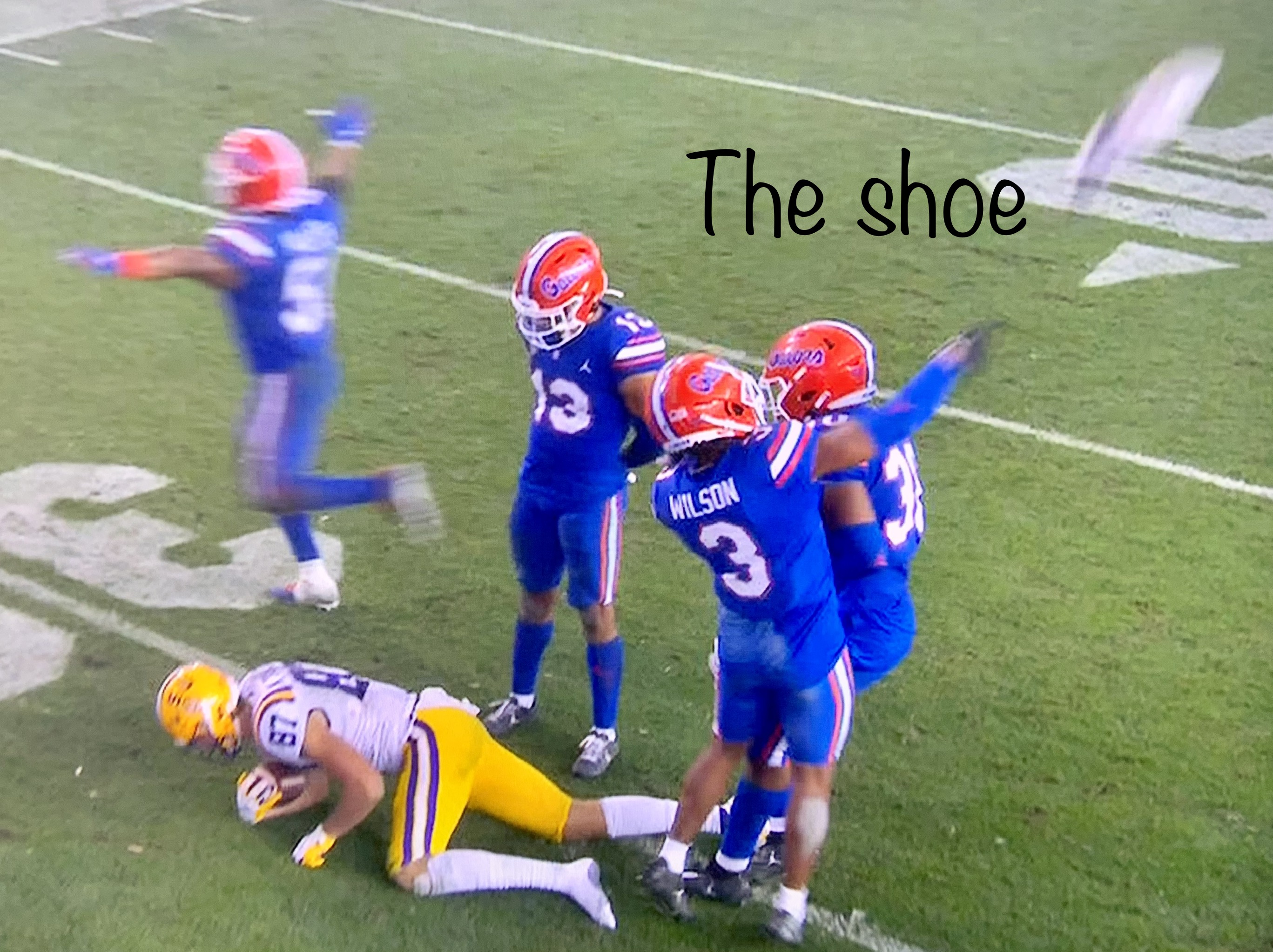
What did this kid do?  He threw a shoe about 20 yards!  The yellow flags went higher and farther.  Too bad it was after he and his defensive teammates had stopped their opponent on third down forcing a punt with the game tied 34-34 and less than two minutes remaining in the game.  No one will ever know what might have happened if he hadn’t thrown the shoe.  He ripped it off the foot of the receiver he was covering who failed to make a first down.  Unsportsmanlike penalty, 15 yards, first down!  At least 99.995 percent of the people watching the game or hearing about the penalty, agreed.  How convenient it is to have one obvious act by one flawed human being provide an explanation for why the Gators lost the game. And therein lies a lesson for us all.

Why do we look for a simple explanation for complex outcomes?  Take this game for instance.  What if the Gators had made a first down or a touchdown on their previous drive instead of settling for the tie with a field goal?  Couldn’t we blame someone for that?  How about the other kid who didn’t catch the pass that would have maintained possession for the Gators?  There were more than 150 plays in the game and about half of them occurred under a dense fog that fell over the field on this dark December night in North Florida.  The star quarterback threw two interceptions and fumbled once.  Another defensive back missed an assignment that allowed an LSU receiver to strut into the endzone untouched.  Coaches called plays or players failed to execute them with bad results preventing scores for their team or allowing scores for their opponent.  The shoe was only one act at the end of a countless number of acts followed by other acts and decisions, all leading to the final outcome, a 37 to 34 victory for one team and a 34 to 37 loss for the other.   Importantly to my point, we have a convenient and beautifully simple answer for why our team lost.  The kid threw a shoe 20 yards.  Off with his head!

It’s human nature to search for explanations.  Finding one that explains everything is golden. We do this all the time. How fortunate to have a scapegoat to focus our emotions?  How satisfying to have one easily identified cause?  Someone to blame.  In reality, outcomes have seemingly infinite causes.  Many can share the blame, and scapegoats have fellow enablers who may be overlooked in our zeal to target the one most guilty party.

This innate tendency to oversimplify represents a human weakness.  It’s built into our language, all languages.  One word stereotypes an entire population.  One adjective describes a person.  One tweet ends a career.  One mindless act can end a life or many lives.  In a game of football, one bonehead mistake produces an outcome that is insignificant in the grand scheme of things.  There will be another game.  There will be another season, there will be other players, other coaches, other teams, other games, and other fans.  Is it different in the game of life?

Now I should find a single word or perhaps a succinct phrase that sums up this human failing, this tendency to oversimplify complex events, diverse populations, and complicated people.  How about I just say we are not yet a highly evolved species, and that ends the discussion.

Posted in Human Behavior, Musings | Tagged , , , , , , , , | Leave a comment

The Hubris of Fact-Checking

Among my morning news stories, I found a thorough fact-checking of a fact-checking.  In truth, neither was all that factual.  The issue related to the surveillance video of election workers in Fulton County, Georgia.  One side argues the video is evidence of fraud.  The other side claims it is normal activity.  In truth, it’s a video open to many interpretations.  That’s not what I wish to discuss because I don’t have enough information to know who to believe.  I want to write about fact-checking.

Fact-checking someone’s opinion is like checking the wheels on a toboggan.  What is it about this all-too-common practice that makes my blood boil?  It’s the arrogance of one person claiming to know the absolute truth while alleging the person they disagree with doesn’t.  Where’s the judge and jury?  Besides, most fact-checking that I’ve seen is just as wrong in part or as a whole as the source being judged.  You can’t fact-check an opinion because it’s an opinion.  It’s not a fact.  We are each entitled to our opinions, right or wrong.  You can disagree with my opinion, but you cannot claim that it’s not my opinion.

When these elitist corporate publishers, providers of news, and the many social media outfits decide a story or a post is wrong, based on their fact-checking, what they are doing is elevating their opinions and marginalizing the opinions of others.  That’s allowed, but it’s not fact-checking, it’s disagreeing, and it is arrogant.  Their fact-check label is just a form of silencing or censoring.  It’s an attempt to control the information that is spread by discrediting the arguments and people they don’t like.

It’s not a lie if we believe it.  We have a right to be wrong.  God knows we all suffer that consequence from time to time.  It is an opinion which we are free to change if new information persuades us.  Silencing and censoring are assaults on truth.  Disagree as you wish, make your case, but don’t try to win the argument by preventing all dissent.  We make progress in this world, and in our lives, when all sides are heard and evaluated.  Toboggans don’t have wheels and opinions are not facts to be checked.

Posted in Human Behavior, Media, Musings, Politics | Tagged | Leave a comment

Thoughts on the 2020 Election

In every election, especially presidential elections, the nation experiences a complex jolt of emotions.   We are not of one mind regarding the outcome, obviously.  There have been elections in my lifetime where the results were so one-sided and determinant that almost everyone accepted the results, 1974, 1984 and even 2008 come to mind.  In most other elections the contests were close, awfully close, and the losing parties were not willing to accept the results, 2000, 2016, and now 2020 illustrate the point.  Disappointment is understandable, but denial is neither healthy nor constructive.  Every president-elect calls for national acceptance of the results and pledges to represent all of the people.  Because there are always differences of opinion about policy issues, calls for unity represent some utopian delusion.  No political party ever changes its positions on important issues when their opponents assume the presidency.

The 2020 Election Outcome

Today, November 9, 2020, a week after election day, the vote totals are incomplete or inconclusive in six states where the count makes a difference including Arizona, Georgia, Nevada, Wisconsin, Pennsylvania, and North Carolina.  Five of these states lean toward the Biden/Harris ticket.  One state appears to favor the Trump/Pence ticket.  Recounting, rescanning, auditing, and recanvasing continues in these and other states with a December 8th deadline to complete this phase of the election.  The Electors of each state vote on December 14, in accordance with Article II, Section 1, Clause 4 of the U.S. Constitution.  The results are submitted to a joint session of Congress in early January presided over by the incumbent Vice President.  If at least 270 electoral votes are cast for one candidate, the Congress certifies the vote, and the president-elect is determined and inaugurated on January 20, at noon.  Until the Congress certifies the electoral vote, the apparent winner is nothing more than the apparent winner.  The news media plays no official role other than to sway public opinion one way or another as their editorial preferences dictate.  Declaring one candidate to be the winner before the election is settled is irresponsible in the extreme.

Allegations of election irregularities occur in every election.  That was certainly true in 2000 which required 5 weeks of court battles to resolve.  No one declared victory until the count in Florida was final.  In 2016, the Clinton and Stein campaigns alleged irregularities in Wisconsin, Michigan, and Pennsylvania.  The final results and the overall outcome were not clear for a considerable time following election day.  There were even faithless electors who chose to vote or not vote contrary to their legislative requirements.

This 2020 election may be the most contested since 1824 when the House of Representatives chose the president by the contingent election procedure described in Article II, Section 1, Clause 3 and modified in the Twelfth Amendment of the Constitution.  It appears that Joe Biden and Kamala Harris will ultimately win this election, but several states need to complete their work and for the courts to issue their rulings before the electors vote in December.

This election is complicated by several states changing their election procedures, some unconstitutionally. Article II, Section 1, Clause 2 assigns responsibility for election laws “in such manner as the legislature thereof may direct,” and no governor, state or federal court, or anyone else can change those laws.  Clearly, the Pennsylvania Governor and the Pennsylvania Supreme Court violated the U.S. Constitution when they ordered and approved actions contrary to their own state laws without legislative approval.  This is a problem that the U.S. Supreme Court will consider in the coming days.  It may be remedied by the Pennsylvania legislature which has the ultimate authority to select electors regardless of what governors and courts may decide.  No conceivable outcome of the Pennsylvania presidential election would give Trump enough electoral votes to win the election.  He would need to win electors in at least two additional states, such as Georgia, Arizona, and Nevada as well.  The president-elect is not known, until all of these issues are resolved.

The justifications for changes in the 2020 election laws and procedures include the current pandemic causing many people to avoid gatherings such as might occur in crowded voting facilities on election day.  The changes allowed millions of voters to submit ballots by U.S. mail or to drop off ballots at designated containers and facilities prior to or on election day.  Late arriving ballots were accepted in some states and precincts, but not others.  The state and federal courts issued conflicting rulings in different states leading to confusion and distrust.  Additionally, election observers from each political party are required in all states to ensure the final vote count is trusted and accepted by most reasonable people.  Unfortunately, observers were not allowed in some precincts where the votes matter significantly.  The processing of ballots sent through the mail or dropped off at various locations requires additional procedures to assure a chain of custody is known.  It is important to know who voted and that they voted only once.  Checking this requires time and verification.

Even if blatant fraud and illegal ballots were counted in some states, there does not appear to be enough evidence to overcome the voting advantage.  Of the five states leaning toward the Biden/Harris election, Pennsylvania, Georgia, and one other state would need to flip to Trump to give him enough electoral votes to win the election.  This assumes that Trump will win in North Carolina, which is not final as of today.

Trump Versus Biden

It has been said by more than one pundit that the 2020 presidential election was a contest between those who love President Trump and those who hate him.  This is undoubtedly part of the story.  Many other voters prefer the policy ambitions and judicial appointments of the Democrat Party or the Republican Party and were less interested in the personality and character of the candidates.  Still others are obsessed with power and invest millions and even billions of dollars to influence the election for their purposes.  And finally, we have the uninformed voters who do what their told by others who tell them how to vote.  Hopefully, this last group washes as random noise in the process.  We can also hope the supporters of the winning ticket will be gracious in victory and work to represent the interests of all the people of our great country.  We can also hope those who are disappointed will accept the final results and continue to make their case for policy direction in a constructive manner.

The News Media and Big Tech

The First Amendment guarantees freedom of the press.  It’s a vital guarantee, but freedom also requires responsibility and accountability.  Because of modern technology, the press is very different than it was 20 or 100 years ago.  News outlets have always chosen sides in political contests.  This is true going back to the time of the American Revolution.  Differences of opinion exist and should exist, but censoring, silencing, and distorting of information is propagandizing of the most dangerous kind.

When an internet platform chooses to block opinions they don’t like, they are exercising editorial control and cease to be a neutral platform.  When a president has the ability to communicate with millions of constituents on that platform and is blocked, censored, or criticized, that is editorial control by a private corporation.  That is allowed under our Constitution, but they should not be exempt from the liability consequences faced by the traditional newspapers, magazines, radio, and television.  Editorial bias isn’t the problem.  It’s a feature of human nature, and it is remedied by competition.  Twitter chooses to editorialize on the utterances of a president, Parler does not and gains customers as a result.

When news corporations on television or any other communications platform lie to the public, leave out important information the public needs, and provide favored treatment to one candidate over another, that is their exercise of freedom of the press.  It’s not illegal, but it can be propaganda if it is intended to mislead or sway the public.  And it is irresponsible.  Again, competition should be the remedy for this.  Sources of news that turn out to be dishonest will lose their audiences.  News consumers will turn to other sources that are more trustworthy.  I’m seeing lots of journalistic malpractice.

The Long-Term Outlook

Presidents come and go.  The nation continues on.  In a decade, Trump and Biden will be fading memories.  While the Trump supporters are troubled by this apparent loss, they should realize that a Biden victory probably increases their chances of taking back the White House in 2024, assuming the U.S. Senate remains in control of the Republican Party.  If history repeats, Republicans may also increase their numbers in the House and Senate in 2022.  This is the way it usually goes.  However, if the Senate is flipped to the Democrats this year because both Georgia U.S. Senate races are won by Democrats in the January Runoff, then much can change.  Democrats have discussed adding two additional states with four new senators and also adding additional seats on the U.S. Supreme Court.  This would increase their likelihood of winning future presidential elections and interpreting laws consistent with their partisan interests.  The Republicans will strongly oppose such actions.

Our constitutional republic is blessed with good people who may disagree with each other, even vehemently.  Open dialogue free of censorship and propaganda offers us an opportunity to learn and evolve toward a better society.  Our national journey can be bumpy, but it is a long road with much to offer in the years ahead.

Posted in Media, Politics | Tagged , , , , , , , | 4 Comments

You Can’t Fix Stupid – California!

My wife and I have this running commentary about stupidity.  She often says, “You can’t fix stupid.”  I say you can, but I admit that sometimes stupid gets fixed through Darwinian evolution, or stupid gets replaced by other stupid.  Nevertheless, stupid isn’t perpetual or permanent.  She just rolls her eyes.

In this context, stupid is a habit we follow without thinking that gets us into trouble, does us long term harm, or wastes time and precious resources.  It’s difficult to provide an example without offending someone, because admittedly, we all do stupid.  Before I write about California, and in order to avoid offending loved ones and friends, I’ll use myself as an example.

Every two weeks, usually on a Sunday, I sit down at a big table in our home and place a bunch of pills, capsules, and tablets into little cubic containers which help me keep track of when I should take them during the day and the week.  These are nutritional supplements and vitamins.  I do this without much thinking about it.  In fact, while I’m dutifully organizing these little items, I’m usually listening to a book or some music because organizing my pills is boring.  This is a long-term ritual I’ve conducted for at least 25 years, although the specific items in each cubicle have changed over the years.  Recently, because I became curious about what exactly I was putting into my body, I decided to create a spreadsheet with each ingredient listed on the vertical column, the name of the supplement preparation across the top, and the dosage in the corresponding spreadsheet cells.  Too put it mildly, I was amazed at what I’ve been ingesting every day for the last 25 years without much thought and without really knowing if it makes a difference.  Well, I am 77 years old in perfect health (for my age) with no current prescription medications and rare visits to physicians, opticians, or audiologists.  I’m blessed.  Is my good health related to taking these supplements?  Beats me!  Maybe its my genes, or my wife’s good cooking, or clean-living in safe and healthy environments without smoking.  I do this thing because it has psychological inertia after 25 years of doing this thing.  It’s a ritual.  I’m definitely stupid about it.  But I’ll keep doing it because not doing it would be scary.

Anything we do without thinking is stupid.  It might be good for us, it might not, and it could even be deadly.  We need to learn to question our rituals from time to time.  What made sense 25 years ago might be a bad habit today.  We should ask ourselves, “Why am I doing this?”  If we don’t ask, we are being stupid if we keep doing the thing.

California is stupid!  In fact, it is so stupid that one hundred years from now, people will fall down laughing at the stupid currently on display.  California is addicted to stupid.  The harm done to this population of 40 million people without thinking will be extraordinarily humorous once all the current perpetrators and victims of this stupidity have gone to meet their maker.   Don’t misunderstand me, California is a beautiful state with wonderful people but an extremely dangerous place to live.  Name a natural disaster and California has it.   There is no logical reason to live there year around unless you enjoy wildfires, mudslides, earthquakes, heat waves, avalanches, frigid cold, volcanoes, tsunami’s, hurricanes, plagues, pests, droughts, floods, smog, and fog to name but a few.  It is all made worse by governments at all levels that are incredibly stupid.

All this comes to mind as I see a report about power outages inconveniencing the defenseless victims of the stupid government they elected (and that’s another example of a stupid habit).  They don’t have enough electricity for their population.  Why?  Because they closed or shutdown power plants.  Why? Because they use fossil fuels or uranium to generate electricity.  Ok, well what is their plan to replace the electricity?  They have a multi-dimensional approach.  They buy electricity from surrounding states, they replace their power plants with wind farms and solar panels, and they reduce the electricity provided to their population.  All of this is done, ostensibly, to avoid adding carbon dioxide into the atmosphere.  If that is true, then why don’t they build more nuclear power plants that don’t add carbon dioxide into the atmosphere?  Crickets!

There are so many aspects of this entire circumstance that exemplify stupidity, it is difficult to know where to begin.  But I will.

  1. Adding carbon dioxide to the atmosphere isn’t a long-term problem, and it might actually promote human flourishing through greater agricultural productivity and global greening.
  2. Decommissioning power plants leads to energy shortages at exactly the times when more electricity is needed.
  3. The cost of electricity skyrockets when demand exceeds supply.
  4. The poorest residents of the state are the most harmed and inconvenienced by the lack of electricity and its high cost.
  5. The more affluent residents of the state install generators to provide their own electricity, and in doing so they will release more carbon dioxide into the atmosphere than they would otherwise.
  6. Wind turbines and solar arrays require large land areas and use humongous quantities of limited and expensive natural resources, and furthermore, they are difficult and expensive to recycle and only last a decade or two before needing to be replaced.
  7. Wind turbines and solar arrays only provide electricity when the wind is blowing, and the sun is shining, and their unreliability places a significant strain on the electrical grid requiring more base-load power thereby, adding to the cost.

The truth is this.  California government officials do things without evaluating their effectiveness.  They do stupid things in order to signal their virtue to other stupid people.  All the good people of their world will surely applaud them for reducing their carbon footprint.  Unfortunately, the good people of their world are also stupid.  This is stupid impressing stupid.  Both feel good.  And 40 million people are victims of this stupid.

I chose to pick on California, but I could have chosen a gazillion other examples.  I’ve already written twice about wearing masks, and if you do, just ask yourself why.  Don’t be offended.  Like I said, we all do stupid, sometimes.  Virtue signally is often stupid impressing stupid.

Posted in Climate Science, Energy, Human Behavior, Musings, Politics | Tagged , , , , , , , , , , , | Leave a comment

Closed Schools: Be Careful What You Wish For

The late Harvard Biologist, Stephen J. Gould, Ph.D., was known for his theory of punctuated evolution, the idea that significant changes occur following significant events rather than gradually and somewhat uniformly over time. Highly respected best-selling British author, Matt Ridley, D.Sc., in his 2015 and 2020 books, The Evolution of Everything and How Innovation Works, extends our understanding of evolution to include how society and technology change. This coronavirus pandemic represents a significant global experience.  Undoubtedly, significant changes will happen as a consequence.

One area of society that might experience major change is public education.  Because the current administration, the President and the CDC among others, dared to suggest that schools should open for students this fall, large numbers of partisan opponents, school boards, governors, teachers unions, and others of the “resistance” generally oppose the opening of our public schools. The partisan media also took sides in this debate by cherry-picking the arguments that support their agendas and by assassinating the characters of those who dare to disagree.  This political wrangling ignores the data that shows children, their teachers, parents, communities, and the nation suffer greater risks when schools remain closed.  It’s dysfunction writ large!

In a previous post,  How Do We Decide About Schools, I stated my case. Schools should open this fall for students in classrooms on campus.  I recommended this with some exceptions in those few areas around the country where local school boards determine it would not be safe at this time.  The decision should be rational not political.  In other words, the boards should consider the pros and cons, or the costs and benefits to students, teachers, parents, and the broader community recognizing that there are consequences and risks with any decision, but there are benefits as well.  No aspect of our lives is free of risk or danger.  Sometimes the likely good outweighs the possible harm.

I claim some expertise on this issue as a professional educator with advanced degrees and more than 50 years of experience as a science educator, academic administrator, and college president.  I also claim some insight through my marriage to a talented elementary school teacher with more than 40 years of experience in both private and public education.  I also claim some empathy as a parent whose children excelled in public school, college, and post graduate education and training.  Nothing about my opinion relates to partisan politics.  I see nothing about this decision that should have anything to do with how people vote or even don’t vote.

All of this is just background to my main point.  Public education will change significantly as a result of this pandemic. Parents will find a way.  In school districts that decide to remain closed, many parents and teachers will pursue alternatives for the education of their children.  I predict the number of cooperative neighborhood schools will grow.  I predict private and parochial schools will see record enrollments.  Home schooling will increase dramatically as will effective online and hybrid programs.  You should expect to see more charter schools that avoid the not-so-convenient niceties of collective bargaining.  Many excellent teachers may find themselves hired as tutors, either by the more affluent citizens of our communities or by ordinary people who come together to share the expense.  It seems likely that groups of teachers will establish their own learning centers, perhaps specializing in certain areas of knowledge and training.  Perhaps these teacher groups will form partnerships with other teacher groups specializing in other areas of education.  The number of possibilities is endless.

This pandemic and the partisan motivation witnessed in some parts of our country may ultimately lead to a revolution in public and private education that will move our communities and our entire country forward free of the yoke of the unions and other negative pressures currently inhibiting our schools.  We could see a gigantic leap in the education of our young people.  We generally know how to educate our students, but we don’t always agree on what is important to include in their education.  I’ve always felt that a diversity of educational experiences is best for society and best for our children.

Parents need to have choices.  Competition leads to excellence.  The distributed governance of schools allows for experimentation, and that ultimately encourages discovery of new and better ways of learning in the most important lessons necessary for a flourishing human society.

If your school district decides to remain closed this fall, they should be aware of the consequences.  People are at least as smart as their elected representatives, smarter in many cases.

Posted in Education, Human Behavior, Politics | Tagged , , , , , , , | 1 Comment

Masks in a Sarcasm Free Zone

A few days ago, I offered a sarcastic post entitled “The Belt Order”.  Most got it, a few thought it was real. In this hysterical environment, that’s understandable. Now, I feel some responsibility to explain.

I object to cities, counties, and states mandating masks because that encourages or requires people to wear masks when they are not necessary and, in some cases, even harmful. I also object to these mandates because they demonstrate an authoritarian impulse which may cross an important threshold of constitutionality.

Surgeons and other health care professionals wear special N95 masks manufactured to minimize the risk of infecting a patient undergoing surgery and in other related circumstances. The patients may suffer an immune deficiency, or they are vulnerable to infection for other obvious reasons. Lots of viruses and bacteria are expelled into the air when these medical professionals breath, sneeze, or cough.

In the first stages of this Covid-19 pandemic, the supply of N95 masks was threatened. Many worried that medical professionals would run out of these protective masks. In hospital environments, they are usually worn once and then discarded, adding to the concern about a shortage should hospitals become inundated with infected patients. The public was told they were not necessary and that simple cloth masks or even scarfs would suffice to limit the spread of the virus. To this day, the CDC recommends masks in some situations, but there is no national requirement.

An N95 mask is designed to remove particulates. It does not block gases or vapors, although it impedes their passage. The N95 designation means the mask would block 95 percent of the airborne particles. The “N” designation means the masks are only effective in the absence of oil droplets or other non-polar liquid aerosols. There are other classes of masks designated with an “R” or “P” for use in certain industrial settings. All of these masks would filter most viruses and bacteria absorbed onto the surfaces of droplets or particles. They will not block airborne virus materials to the same extent. Such free-floating viruses are extremely small and of such a low concentration as to not provide a sufficient viral load to infect someone when emitted from the person wearing the mask.

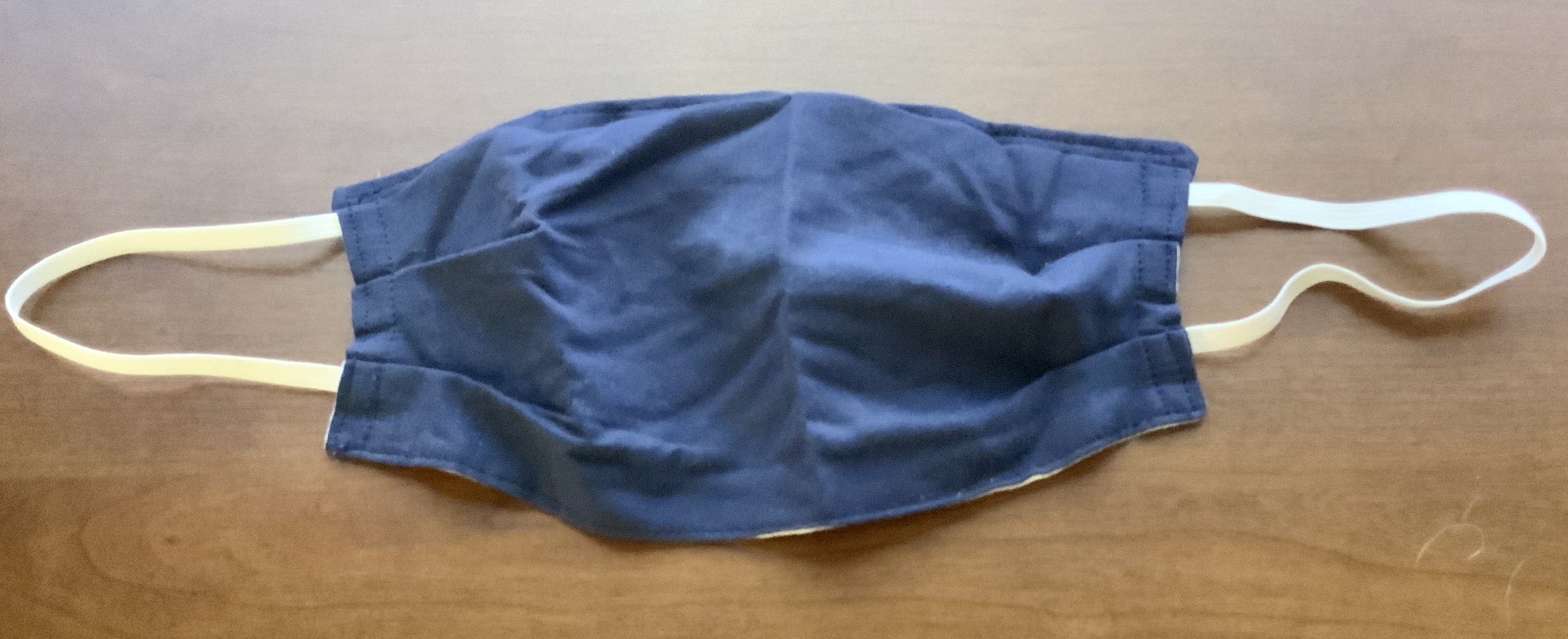
A cloth mask will block some particulates and droplets, but not close to 95 percent. It all depends upon the fabric. N95 masks are made of a fine mesh of polypropylene. Cloth masks are made of woven threads of various natural and synthetic materials. There is a big difference. There is no research demonstrating the effectiveness of cloth masks. We can assume that an infected person will not pass as much contagious material into the air if wearing a cloth mask, but we don’t know how much or how little. We can guess.

There is no good reason for an uninfected asymptomatic person in good health to ever wear a cloth mask. These masks supposedly limit the possibility of infecting others. Masks do not protect the wearer because viruses are extremely small nanometer sized particles which enter the body in a number of ways such as through the eyes and from our hands that have touched contaminated objects. It would certainly not prevent healthy people from spreading viruses into the air, because they don’t have the virus to spread.

There are important reasons not to wear a mask for an extended period of time. Here are some.

  1. Masks decrease oxygen intake by making it more difficult to breath. Blood chemistry may be affected by rebreathing carbon dioxide normally expelled when not wearing a mask. We need oxygen for our health, including for the immune system to function normally.
  2. Masks may cause the re-inhalation of sulfurous, nitrous, and other substances normally exhaled in our breath. These vapors, particulates, and droplets might be trapped or absorbed by the mask causing it to become contaminated.
  3. After lengthy periods of wearing a mask, the decreased oxygen, increased carbon dioxide, and possible toxin intake may put the body of some people into a compromised state impacting their immune response making them more vulnerable to infection.
  4. Our bodies are loaded with viruses which normally do not affect our health adversely. Rebreathing our contaminated exhalations may concentrate pathogens to a potentially dangerous viral load. If this happens when our immune system is compromised, we may be infected by our own pathogenic viruses.
  5. Cloth masks will not trap free-floating viruses in our breath. Covid-19 viruses are between 75 nm and 150 nm in diameter. The fine mesh of a microfiber cloth mask may be 15 microns wide. A free-floating virus particle would sale right through this cloth mask. In fact, 100 virus particles lined up in a straight line would pass right through the space between the threads of a microfiber mask. A cotton mask would allow a thousand or more virus particles to line up in the space between threads. A single virus going through a cloth mask would be like a mosquito flying through your wide-open front door.
  6. Masks encourage a false sense of security for the wearer and for others in a group of people wearing masks. Because of this, they may put themselves into environments with people who may be infected and sick with the virus thinking they are protected. For a variety of reasons, cloth masks are not effective in protecting a wearer from others who may be sick with the virus.
  7. The likelihood of becoming infected with a virus outdoors is exceptionally low. Wind disperses viruses. Sunlight and heat destroy viruses on surfaces. Sunlight helps us produce Vitamin D which plays a role in our immune response to viruses and other pathogens. Wearing a mask in such an outdoor setting is unnecessary and potentially unhealthy.

Who should wear a mask? If you are sick with this virus, you should wear an N95 rated mask if you must be around other people. If you do not know if you have become infected, but you have symptoms such as a fever and a cough, you should wear an N95 mask when you must be around other people at least until you have been tested. If a store or any facility requires you to wear a mask, I recommend that you do so as a sign of respect for the ownership of that facility. If a government requires you to wear a mask inside government facilities, it is appropriate and smart to put one on to avoid being arrested, fined, or worse.

There are people who should not wear a mask. If you have respiratory, heart, lung, or other related diseases or complications and find it difficult to breath or if you are on oxygen, you should definitely not put on an N95 or cloth mask. Wearing a mask while driving could also be dangerous for anyone because it is limiting your oxygen, possibly affecting your judgement, your response time, or even your wakefulness. Wearing a mask during exercise or running could be dangerous because of the limiting of your oxygen intake and causing carbon dioxide to build up with potential electrolyte imbalance consequences.

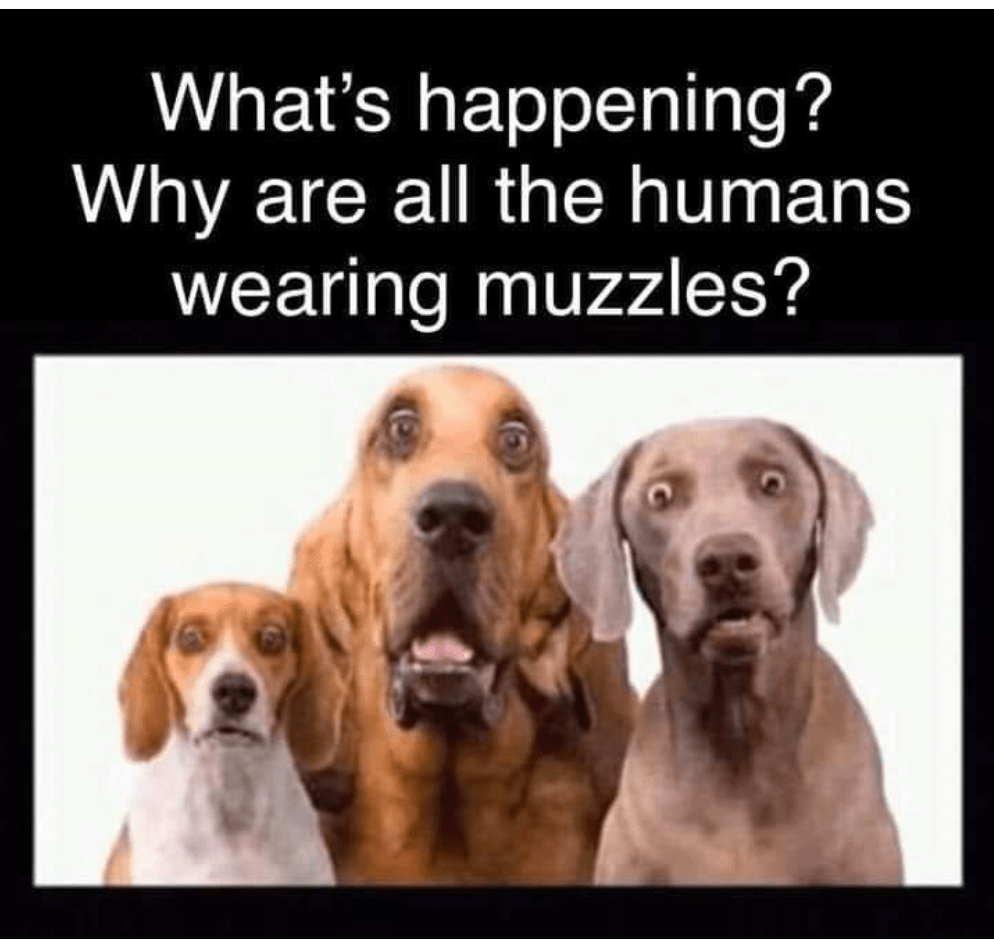
I have no problem with people wearing masks if that is what they want to do. If they feel it is a sign of respect to others, that is a good reason to wear one when in a group of people, especially among strangers who may or may not be infected or vulnerable to infection. I strongly object to governments mandating that we wear masks. If they can require this item of apparel, they can require almost any dress code. With good information, we are capable of making decisions about protecting ourselves and others.

The most important reason that I object to governments ordering the wearing of masks is because some people should not wear them, others don’t need to wear them, and some environments are not appropriate for wearing a mask. It is government overreach. Just give us the honest information from reliable sources and let us make up our own minds. These city and county commissioners, state legislators, governors, and other government officials are not smarter than the people they serve.

Posted in Education, health, Human Behavior, Politics | Tagged , , , , , , , , , , , , | 1 Comment

How Do We Decide About Schools?

Should we open our schools this fall? That is the question thousands of school boards and fifty state governments face as we struggle to return to normalcy. The question begs different answers in different communities and in each state. I may not know each specific circumstance, but I can suggest how these decisions should be considered. I can also suggest what should not factor into any decision.

In life there are always risks. No matter what a school board decides, someone is likely to succumb to the coronavirus or to some other disease or unintended injury. This sad outcome is unavoidable. Deaths occur no matter what decisions school boards make. Different choices lead to different risks and different victims. No one can predict such tragedies. They happen regardless of our actions and our choices. The goal is to minimize the known risks while maximizing the desired benefits. Easier said then done, especially in a highly inflamed political and emotional climate.

There are three populations of people directly impacted by whether we open our schools or keep them closed. Obviously, the children should be considered. What is best for them? But schools are more than the children. Millions of teachers and other school employees should be considered as well. How are they likely to be affected? Parents and other family members also have a stake in this important decision. Their lives and livelihoods may depend on whether their children are in school full-time, part-time, or not at all. Ignoring any one of these groups could be a fatal error. Weighing the risks and benefits to each group would be critical to any satisfactory decision.

Decision are often required before we are ready to make them. The delay or absence of a decision often leads to worse outcomes than a poor decision. Waiting for the perfect solution is both dangerous and foolish. Timing is important. Teachers, parents, and children all need to prepare in order to manage the risks and organize their lives.

In addition to the children, teachers, parents, and many others including employers, governments, healthcare, and even the sports and entertainment industries will endure the consequences of schools opening or remaining closed.

Consider the children first. The benefits of education are known and accepted. What are the risks of children going back to school? A major study of 137 million children and teenagers in the United States and Europe identified 44 deaths attributed to Covid-19 through the middle of May. With therapeutics improving as physicians learn to treat this disease, we should expect the death rate to decline. There are reports of a less deadly but perhaps more contagious strain of the virus evolving. Whatever the risks of this virus in the past, we can assume the risks in the future will be lower. At some point in the future, a vaccine could resolve this health crisis completely. When this will happen is unknown, next winter, next year, beyond that?

How do we assess risk associated with this virus? One way would be to compare it to known dangers we deal with regularly. In the study of 137 million children and teenagers in the U.S. and in Europe, 1,056 died from causes unrelated to the virus compared to 44 who died from Covid-19. In other words, a child or teenager in this population was 24 times more likely to die of some cause other than from this virus. Many of these deaths occurred in homes, on highways, or in a hospital from some other fatal malady. Obviously, children and teenagers would be far safer in school this fall than somewhere else. This virus does not affect children to an extent that would warrant them staying away from school. Recent studies also show that children who may test positive for the virus but remain asymptomatic are unlikely to spread the disease to others especially if basic hygiene protocols are implemented.

Teachers and school employees are much older and more vulnerable to this coronavirus. Some have health challenges making them even more likely to become infected. What is the risk to this population? We know from CDC data that healthy adults who test positive for the virus, usually recover within a relatively short time, days to weeks. In a study of 149,781 cases in Florida through the end of June 2020, the vast majority (85 percent) were 65 years old or older. Among those adults under 65, there were 6,816 hospitalizations. This is out of an adult population in Florida of approximately 17 million. Using these numbers, an adult in Florida between the ages of 18-65 has a 0.04 percent chance of being hospitalized and a 0.003 percent chance of death from this virus. We also know that most (more than 80 percent) of the hospitalizations and deaths are people who have known co-morbidities. A healthy adult has less chance of succumbing to the coronavirus than to the seasonal influenza. We rarely close schools because of a flu epidemic. A teacher between the ages of 21 to 65 is 5.6 times more likely to die from influenza than from the Covid-19 based on 2017 data from the CDC. Furthermore, teachers and other school employees are at greater risk from accidents, cancer, heart disease, chronic respiratory diseases, diabetes, and other causes of death than from this current virus. As with the school children, school employees are safer at school than not at school, and less likely to contract the coronavirus.

School employees who have other health issues should weigh the risks and take necessary precautions, but they should recognize they are at risk at home or at school, wherever they may be. Unlike with influenza and the common cold, Covid-19 positive, but otherwise asymptomatic children, are not likely to spread this virus.

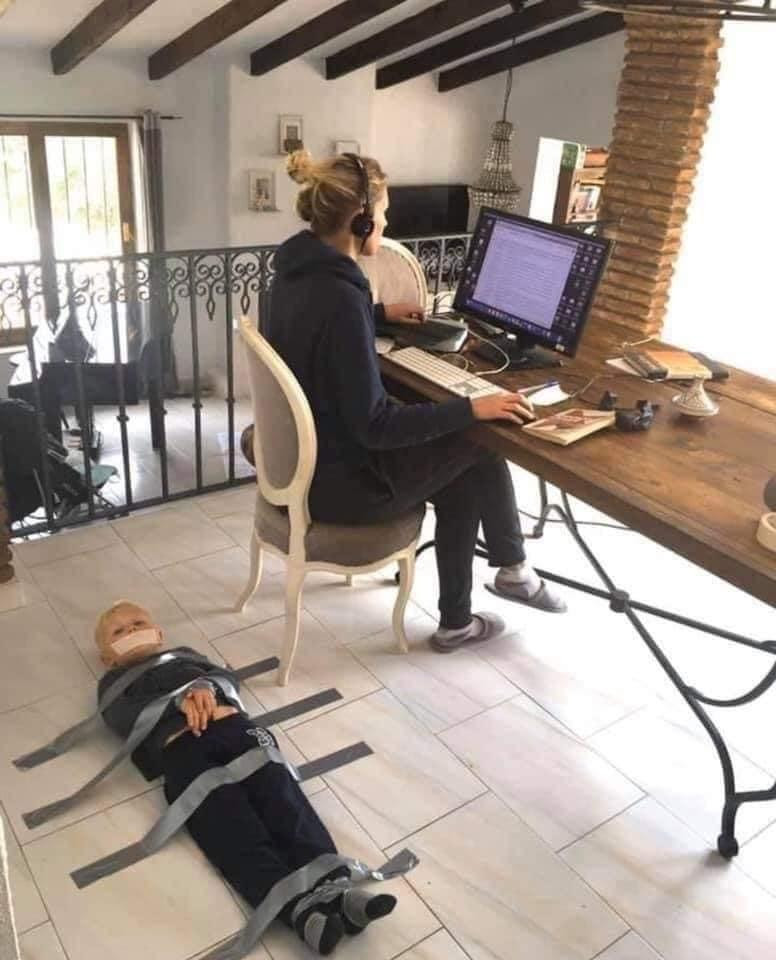
Without question parents benefit from their children going to school and these benefits far outweigh any risks. Think of the loss of employment or the expense and availability of childcare. What about parents who are not prepared to home school their children or to send them to private schools? In some communities, consider the risks to unsupervised children whose parents are working or not at home during the day.  Getting our schools back to normal is a net plus for parents.

The greater community, employers, and everyone else benefits from a flourishing school, system without question.

I can see no reason why most schools, public and private, should remain closed this fall. There may be special circumstances in some communities, with some teachers and with some parents that call for other choices. My suggestion is to make those decision based on rational considerations, not on hunches, intuition, emotion, or politics. The distortions and exaggerations of the so-called free press and politicians have confused and frightened us. Ignore their insane hysterics and look at the data. Schools can be relatively safe, for children, for teachers, and for everyone else.  In life there are always risks.

Posted in Education, Human Behavior, Media, Politics | Tagged , , , , , , , , | 2 Comments

The Belt Order (S)

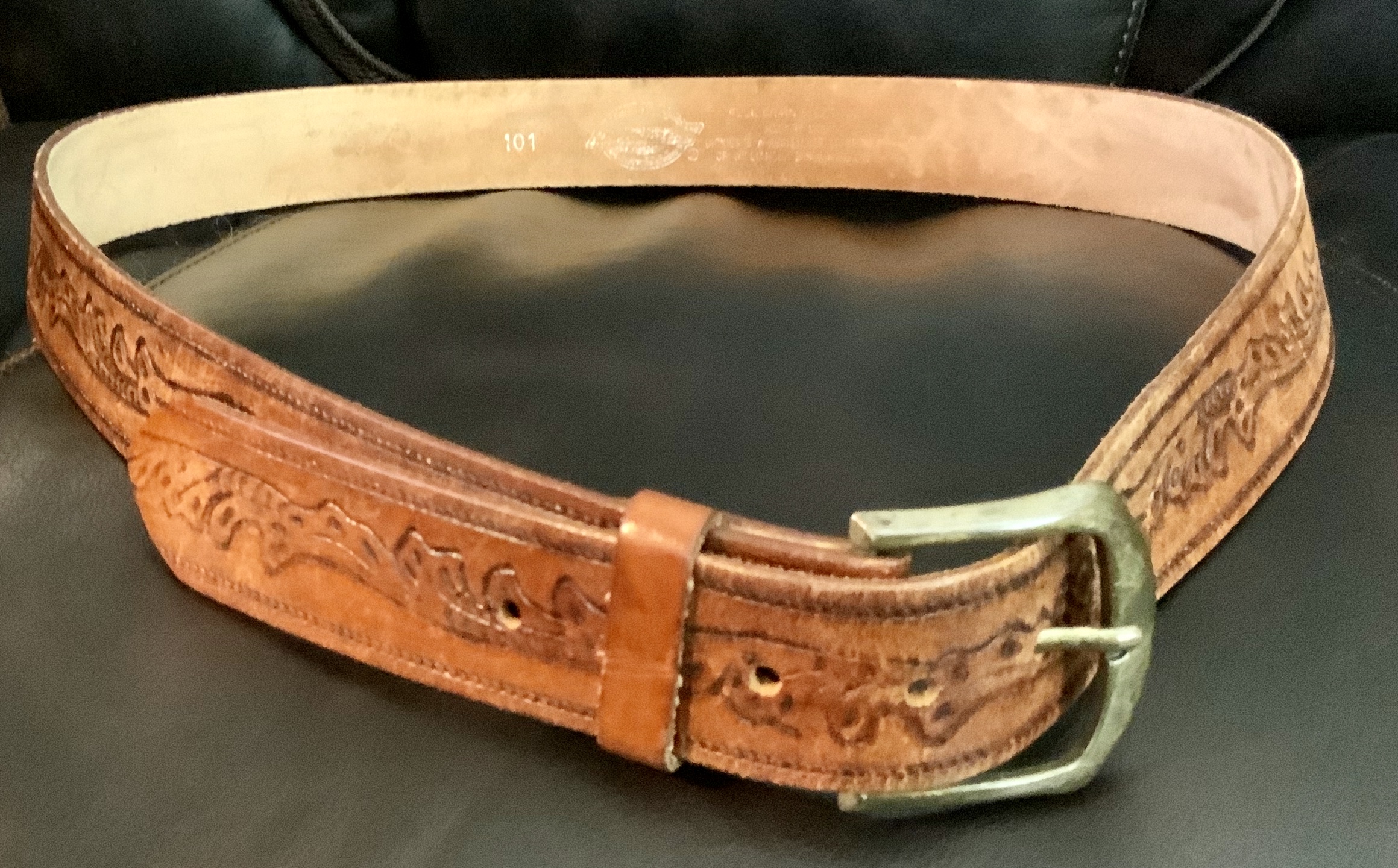
They have gone too far this time. The county commission just ordered the wearing of belts at all times when in the public spaces. There is a sizable fine of $101 for the first offense. Repeat violations may be fined $1,001, and a third time offender could face up to 30 days in jail, except in February which has only 28 or 29 days.

For the record, I will not comply with this idiotic dictate. Do not misunderstand me. I have absolutely no problem with those of you who choose to wear belts. It is a matter of principle. If they can mandate belts, they can mandate the wearing of shoes, or hats, or good grief, they might even require underwear.

It is difficult to understand why the commission did this, and why now. Could it be politically motivated? Since the surrounding counties previously implemented similar mandates, perhaps they are worried their alleged lack of concern for the public could be used against them in the coming election. I question the constitutionality of this ridiculous mandate.

They claim the science is on their side. They point to recent research that shows that most sexual assaults occur when one or both parties are not wearing belts. I would point out to these public servants that there may be a statistically significant correlation at the 95 percent confidence level, but no causative link has ever been demonstrated. In all my years on this earth, I never observed a beltless person being naughty in public. I think these elected officials fear being criticized for failing to protect the children and others with various co-morbidities.  Don’t they realize we are quite capable of comprehending the scientific research and making our own decisions about wearing a belt.  Who decided these elected officials possess greater wisdom?  If going beltless posses an existential threat, just give us the factual information and let us make our own decisions.  Don’t they respect our judgement?

In their rush to implement this draconian order, the commission also failed to specify where the belt must be worn or even what kind of belt we must wear. I will gladly pay the fine for my first offense. If I must venture into the public afterwards, I will wear a belt made of hemp around my neck with a sign that says “This is a Belt” and dare them to arrest me for this entirely innocent public disobedience. I may even rally my comrades in protest to take down the prominent statue of St. Francis of Assisi in the county courthouse garden. Other’s in my community have remarked that he is not wearing a belt, yet they honor him without condemnation. What hypocrites!

Posted in Human Behavior, Politics, Uncategorized | Tagged , , , , | 1 Comment

Listening to The Science

Finding the truth, is sort of like counting to infinity. It will certainly take a long time, but the end result promises to be extraordinary. This is the problem of science. It searches for truth, but there are always more truths to pursue.

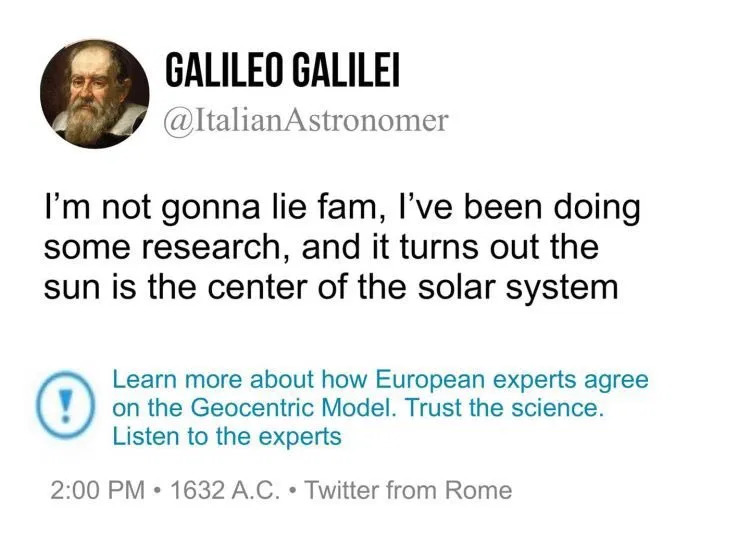
Every time I hear a governor, or some other elected official, say “we are following The Science,” I’m inclined to find a different governor or elected official whose advice I might consider. Why does an elected official proclaim such faith in The Science? This is obviously someone who wants to end the discussion, and worse, this is someone who wants to control our lives. This represents a basic misunderstanding of science.

In reality, most of us, including governors, rely on the advice of experts, but expert opinions are not the same as the truth. Most scientists spend their lives in a persistent pursuit of ever greater understanding. We call this study or even research. No scientist, that we should ever trust, would claim to know everything about anything. How many times have you seen scientists change their minds? It happens all the time. Even a consensus of scientists can remain consistently wrong until one clear voice exposes their once fallacious fixation.

Even in this present pandemic circumstance the many scientists and expert advisors to mayors, governors, presidents, prime ministers, emperors, as well as kings and queens continue to seek to understand the threats and the consequences of every conceivable mitigation strategy. There is often strong disagreements among scientists, economists, physicians and other public health professionals. They do not even agree on the goals. Which expert opinion should a leader consider, one in particular, a few, or all of them? That requires wisdom, the ability to discern the best options among many.  I’m listening to the scientists, experts, and leaders who demonstrate this wisdom and some measure of humility as well.

If you listen carefully to The Science, you are likely to be surprised by all the contrasting arguments you may hear. But do not despair. In time, all of our problems vanish, one way or another.

Posted in Human Behavior, Politics | Tagged , , , , , , , | Leave a comment